
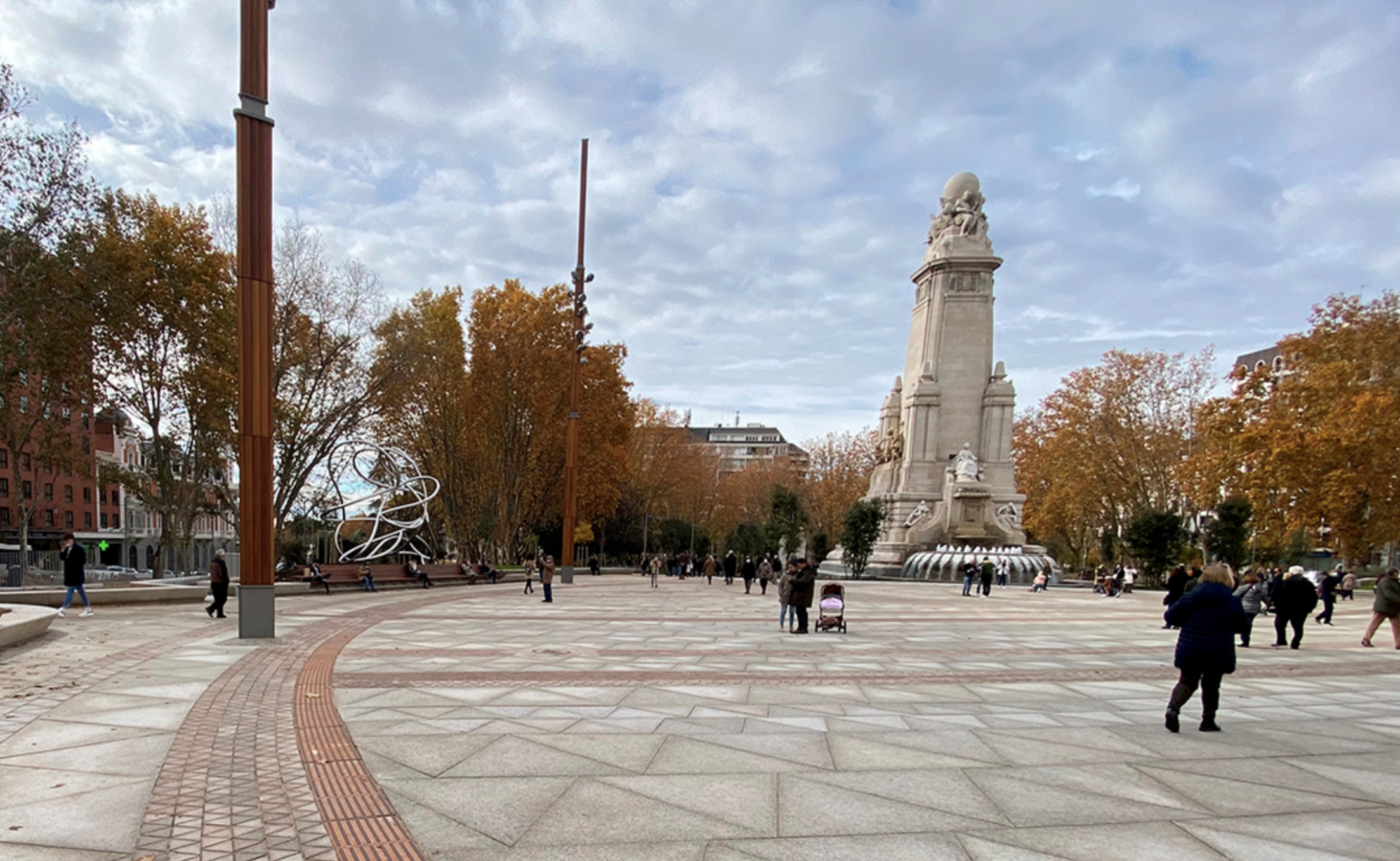
In the realm of contemporary architecture and exterior construction design, the choice of materials goes far beyond aesthetic or structural parameters.
Factors such as thermal resistance, color stability, or the ability to insulate against solar radiation take on strategic importance in climates with high summer exposure. In this context, granite stands out as one of the most reliable and effective solutions, especially for projects located in regions with intense summers.
As an igneous stone, granite has historically proven its durability over time, and it also offers a set of physicochemical properties that make it particularly suitable for withstanding extreme heat, direct sunlight, and thermal fluctuations that define the hottest months of the year.
Resistance to Extreme Heat
One of the most valued characteristics of granite is its ability to endure high temperatures without suffering structural changes or surface deformations. This thermal resistance — which can exceed 1,200 °C — makes granite a natural ally for areas exposed to long hours of sun, such as terraces, façades, outdoor flooring, or even rooftops.
Unlike synthetic or composite materials that may deform, crack, or fade with repeated exposure to heat, granite remains unchanged. This not only ensures its physical integrity but also enhances safety in everyday use, reducing risks associated with thermal shock damage.
Granite in Summer: Color Stability Under Solar Radiation
Prolonged exposure to ultraviolet rays is one of the main causes of wear for outdoor materials. Many finishes lose color intensity, become dull, or show premature aging over the years. Granite, however, offers remarkable color stability even after long-term exposure to direct sunlight.
This is largely due to its mineral composition: the feldspars, quartz, and mica that form the stone have a crystalline structure that does not easily degrade under radiation. As a result, granite’s colors — whether deep blacks, uniform grays, warm ochres, or veined blends — retain their richness and depth for decades. This quality is especially appreciated in architectural projects aiming for long-lasting aesthetic continuity without the need for periodic treatments or repainting.
In urban environments and warm climates, another important parameter to consider is the Solar Reflectance Index (SRI), which measures a surface’s ability to reflect solar radiation, including both visible light and infrared heat. The higher the index, the lower the surface heat buildup. In this regard, certain granite finishes — especially lighter shades or polished treatments — display high SRI values, helping to reduce the urban heat island effect and improve thermal efficiency in rooftops or paved outdoor areas. This feature, combined with granite’s natural thermal mass, makes it a strategic choice for projects seeking to mitigate seasonal overheating without sacrificing durability or visual appeal.
Thermal Mass and Insulating Behavior
Beyond passive resistance to heat, granite also functions as a natural thermal mass, helping regulate the temperature of the spaces it is in contact with. This property is particularly beneficial in Mediterranean or continental climates, where temperature shifts between day and night can be significant.
During the hottest hours of the day, granite slowly absorbs heat from the environment, reducing its transmission indoors. As the evening approaches, this stored energy is gradually released, softening nighttime temperature drops. This behavior makes granite an excellent ally in improving thermal comfort in bioclimatic buildings, without relying on mechanical or artificial solutions. Its application in ventilated façades, exterior bases, or even interior floors in combination with cross ventilation can bring a tangible improvement in seasonal energy efficiency.
Low Porosity and Moisture Resistance
While summer is often associated with heat, it can also bring sudden storms, gusty winds, and high humidity levels, especially in coastal or high-altitude areas. In such environments, materials must not only endure high temperatures but also withstand abrupt temperature changes and intermittent exposure to moisture.
Granite, with its very low porosity (below 0.5% in many varieties), naturally resists water absorption, avoiding the issues experienced by other stones or composite materials. This property not only protects it from mold, efflorescence, or staining, but also reinforces its integrity against freeze-thaw cycles or sudden thermal shocks. In regions where temperatures can drop quickly after a summer storm, granite’s dimensional stability ensures lasting performance.
Additionally, its low porosity makes maintenance easier, as the surface remains smooth, free from dirt buildup or residue, and can be cleaned using non-abrasive methods.
Far from being a mere cladding material, granite represents a top-level technical solution for the challenges posed by contemporary architecture in warm or variable climates. Its resistance to extreme heat, color stability under the sun, insulating behavior, and low porosity make it an irreplaceable choice for all types of construction solutions exposed to the rigors of summer.
Choosing granite in this context is not just an aesthetic or symbolic decision but a rational and well-founded choice that responds to criteria of durability, efficiency, and sustainability. In an era where materials are increasingly tested under extreme environmental conditions, granite — as architects and builders well know — continues to prove that there is no true substitute.
